
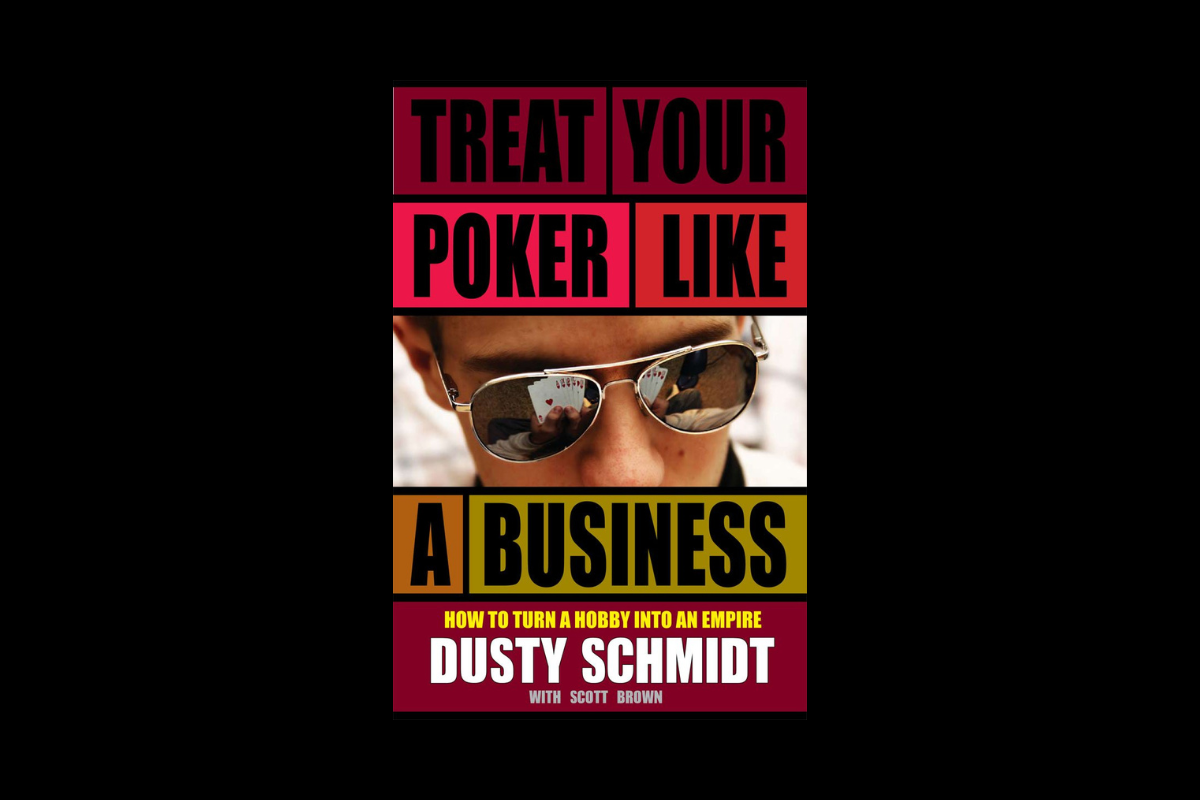
Here are chapters 16-20 of our Treat Your Poker Like A Business summary:
Chapter 16: The Importance of Self-Control
In chapter 16 of Treat Your Poker Like A Business, Dusty Schmidt deepens his focus on emotional regulation, emphasizing that self-control is not optional for professionals.
Emotional Stability as a Competitive Advantage
Poker exposes players to repeated stress:
-
Bad beats
-
Coolers
-
Long downswings
-
Provocative opponents
The player who maintains composure under pressure automatically gains an edge over those who react emotionally.
Discipline Over Impulse
Schmidt frames self-control as a learned behavior. It requires:
-
Awareness of emotional triggers
-
Immediate correction of negative patterns
-
Refusal to chase losses
-
Clear stopping points for sessions
Professionals treat emotional leaks the same way they treat technical leaks—as problems to fix immediately.
Chapter 17: Building Momentum Through Consistency
In chapter 17 of Treat Your Poker Like A Business, Schmidt discusses momentum—not as luck, but as disciplined repetition.
Compounding Small Edges
Poker profitability comes from:
-
Small advantages applied thousands of times
-
Solid decision-making under routine conditions
-
Avoiding unnecessary volatility
Rather than seeking breakthrough sessions, Schmidt promotes steady accumulation.
The Snowball Effect
Consistent play:
-
Improves decision speed
-
Strengthens pattern recognition
-
Builds confidence based on data
Momentum is built through reliability, not emotional highs.
Chapter 18: Avoiding Lifestyle Inflation
In chapter 18 of Treat Your Poker Like A Business, Schmidt turns to financial discipline outside the poker table.
Income Is Not Bankroll
A common mistake among winning players is increasing spending too quickly during profitable stretches.
Schmidt warns that:
-
Income can fluctuate
-
Downswings are inevitable
-
Overextending financially creates pressure
Protecting Stability
He advocates:
-
Living below your means
-
Keeping personal expenses separate from bankroll
-
Avoiding dramatic lifestyle upgrades tied to short-term heaters
Financial stability supports mental stability.
Chapter 19: Time as Your Most Valuable Resource
In chapter 19 of Treat Your Poker Like A Business, Schmidt emphasizes time management as a central business principle.
Allocating Time Efficiently
Time must be invested where it generates the greatest return:
-
Playing in soft games
-
Studying efficiently
-
Reviewing key hands
-
Avoiding unproductive distractions
Hours spent in low-value activities directly reduce earnings.
Opportunity Cost
Schmidt encourages players to evaluate decisions based on opportunity cost. If time is finite, every unproductive hour has a real financial cost.
Professionals structure their schedules to maximize high-return activity.
Chapter 20: Accepting Responsibility
In chapter 20 of Treat Your Poker Like A Business, Schmidt addresses accountability.
No Excuses
Blaming:
-
Variance
-
Opponents
-
Bad luck
-
External factors
prevents growth.
While short-term variance is real, consistent losses signal areas that require adjustment.
Ownership Creates Improvement
Taking responsibility means:
-
Reviewing losing sessions honestly
-
Identifying recurring mistakes
-
Admitting weaknesses
-
Making deliberate corrections
Professionals assume responsibility for outcomes because control begins with accountability.
Combined Core Message (Chapters 16-20)
Across these chapters, Schmidt strengthens the mental and structural framework of his business approach:
-
Master emotional self-control
-
Build steady momentum through repetition
-
Avoid lifestyle overreach
-
Protect and prioritize your time
-
Take full responsibility for performance
The recurring principle remains unchanged: long-term poker success depends less on brilliance and more on discipline, structure, and personal accountability applied consistently over time.