
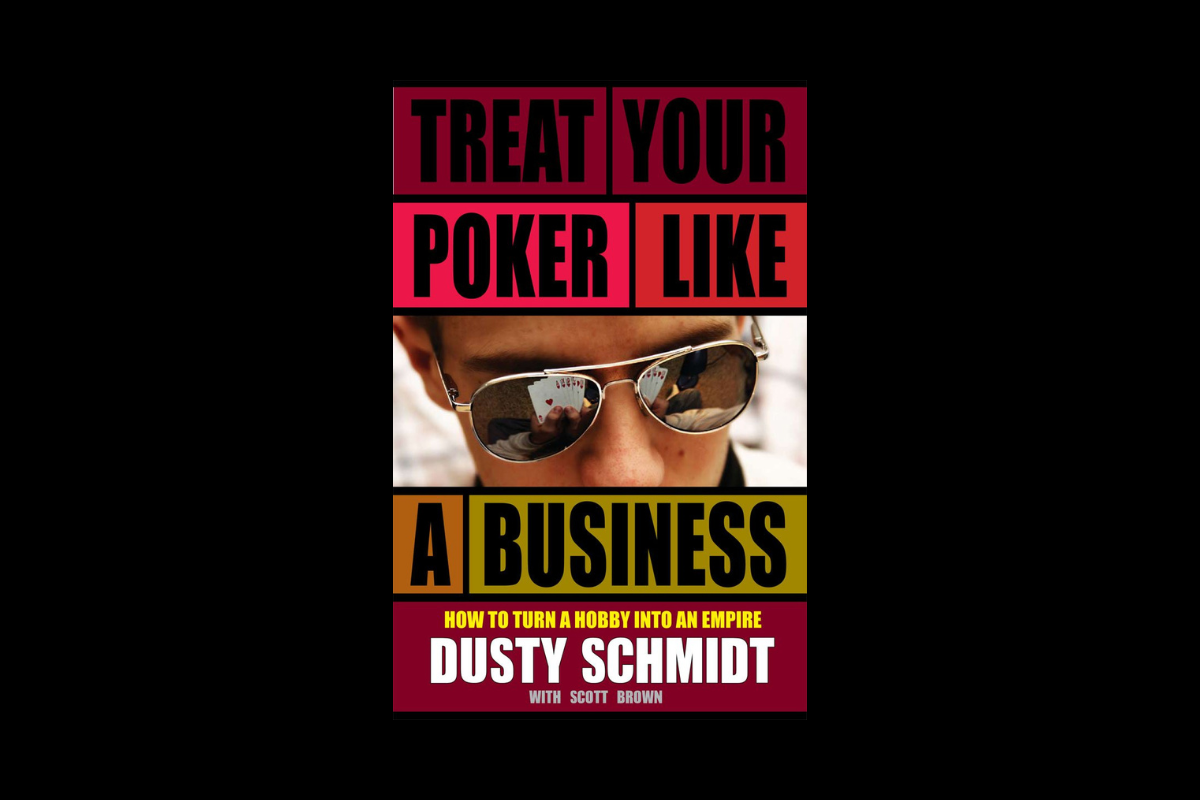
In the conclusion of Treat Your Poker Like A Business, Dusty Schmidt reinforces his central message: long-term poker success is not about flash, ego, or mathematical theatrics—it’s about disciplined execution, sound business principles, and relentless personal accountability.
Skill vs. Monetization
Schmidt acknowledges that his approach may not appeal to players who prefer complex theory or high-drama poker. His focus has never been on spectacle. Instead, he draws a clear distinction between:
-
Being skilled at poker
-
Consistently making money from poker
He argues that many talented players fail because they never learn to manage their edge properly. Technical ability alone is not enough; profitability requires structure, patience, and financial discipline.
The Power of a Methodical Plan
He reiterates that steady, conservative growth is the path to durability in the game. His own results, accumulated over millions of hands, serve as proof that:
-
A slow, controlled approach compounds.
-
Risk management matters more than ego.
-
Sustainability beats short-term glory.
Writing the book, he explains, sharpened his own thinking and improved his play. Clarifying his philosophy strengthened his execution.
Key Lessons He Wishes He Knew Earlier
Schmidt highlights several principles he believes are foundational:
1. Take Advantage of Rakeback
Rakeback is treated as a built-in revenue stream. It cushions downswings and amplifies winning months. Ignoring it is equivalent to ignoring guaranteed profit.
2. Manage Your Bankroll Conservatively
A poker bankroll is working capital. If it runs dry, the business shuts down. Conservative reinvestment protects opportunity and prevents emotional decision-making.
3. Make Peace With Variance
Downswings are unavoidable. Accepting variance reduces tilt and strengthens resilience. Recognizing both good and bad runs as temporary creates emotional stability.
4. Focus on Process Goals
Time invested with quality focus eventually translates into income. The emphasis should remain on preparation, study, and disciplined play—not short-term monetary outcomes.
Effort, Resilience, and Ownership
Schmidt closes with reflections on perseverance. His own setbacks—including health crises and financial hardship—forced him to rebuild from the ground up. He frames adversity not as an excuse but as a proving ground.
Key themes include:
-
Give maximum effort daily.
-
Accept setbacks as part of forward progress.
-
Reject mediocrity and complacency.
-
Think independently, even if it invites criticism.
-
Take responsibility for changing your own circumstances.
He stresses that waiting for ideal conditions or external validation leads nowhere. Progress comes from decisive action and sustained effort.
Authenticity and Independence
A final theme is self-determination. Choosing an unconventional path invites scrutiny, but lasting success requires alignment with your own values—not public approval. Independence carries both risk and freedom.
Schmidt’s closing message is ultimately about ownership:
You control your work ethic, your discipline, your risk tolerance, and your direction. In poker—as in business—results follow sustained, intentional action.
The book ends as it began: poker is a business. Treat it like one, and the rewards compound.