
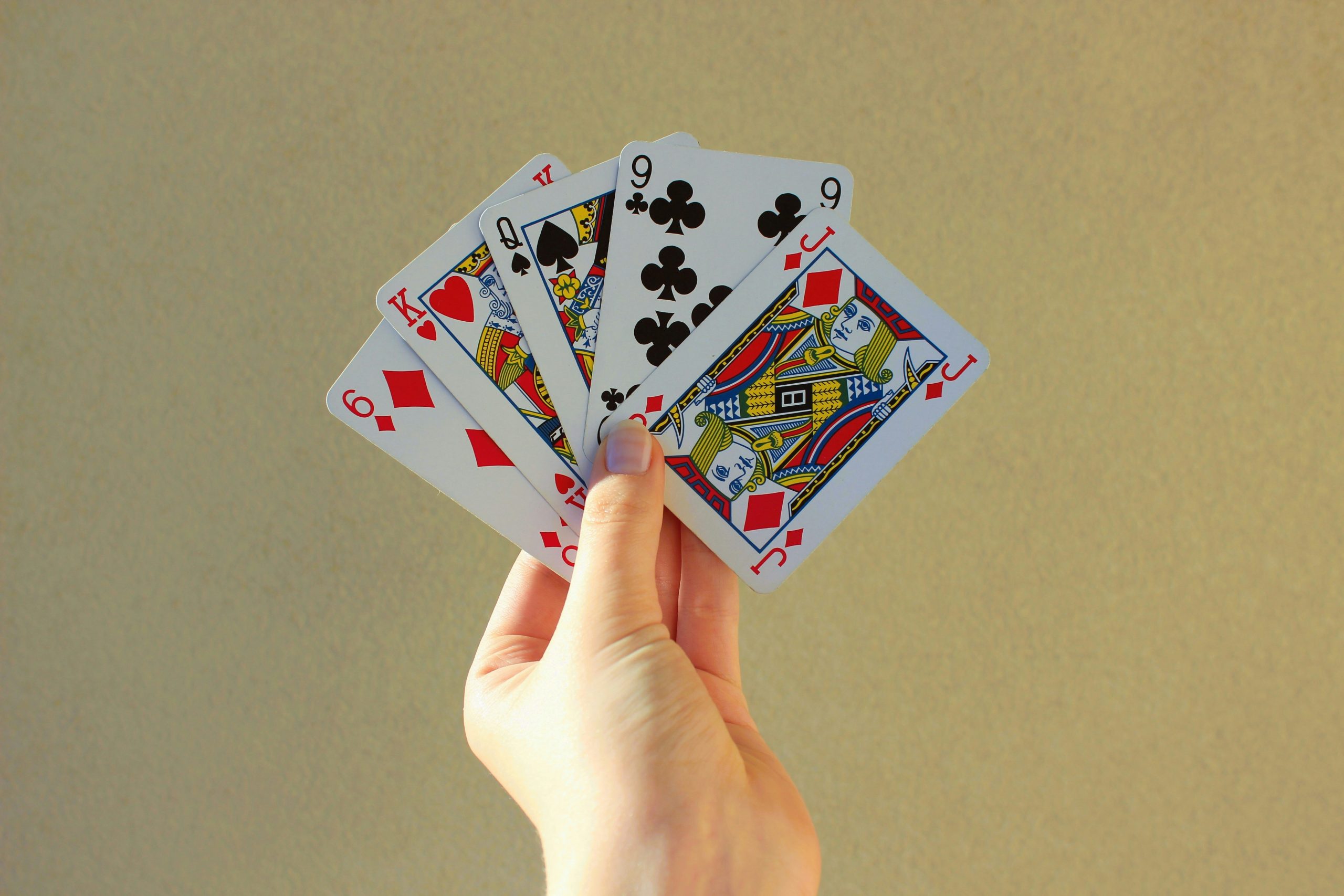
If you’ve played poker for any decent stretch of time, you’ve probably heard that old chestnut: “Know when to hold ’em, know when to fold ’em.” And sure, it’s cliché—but it’s also dead-on. One of the biggest mistakes new (and even intermediate) players make is hanging onto hands way longer than they should. Folding feels like admitting defeat, and no one likes that. But here’s the truth: folding is one of the most powerful weapons in your poker arsenal.
Knowing when to fold in poker isn’t about being timid—it’s about being smart. It’s about understanding risk, reading your opponents, and not getting emotionally tangled in a hand that’s going nowhere. So, let’s break it down: when should you fold, how can you tell, and why is folding actually a sign of strength?
Folding: The Most Underappreciated Skill in Poker
Let’s start by addressing the stigma: folding is not a weakness. Too many players think every hand should be won, or that they can “outplay” anyone at any time. This might work in the movies, but in real poker games, especially against solid opponents, trying to force every hand is a fast way to lose your chips.
Think about it like this: if you fold early, you’re saving your stack for when the odds are actually in your favor. In fact, if you’re not folding most of your hands, you’re probably playing too many of them.
Let’s be real—most hands in poker are garbage. If you’re holding 7-2 offsuit (the worst starting hand in Texas Hold’em), you shouldn’t even think about playing it unless you’re on the big blind and it’s checked around. Even then, it’s dicey.
The Basics: When Folding Is an Easy Call
Let’s start with the obvious ones. These are situations where you should fold almost automatically:
1. You Have a Weak Starting Hand
If you’re playing Texas Hold’em and you’re dealt something like 9-3, J-2, or 6-8 offsuit, it’s usually not worth sticking around—especially if there’s a raise in front of you. Sure, suited connectors and low pairs can occasionally hit, but unless you’re on the button (last to act) and the pot is cheap, folding is the right move.
2. You’re Facing a Huge Raise Pre-Flop With a Marginal Hand
Let’s say you’ve got K-J offsuit. Not bad, but not premium. Then someone goes all-in or raises 5x the big blind from early position. That’s a red flag. If they’re a tight player, this likely means a monster hand—A-K, A-A, K-K, maybe even Q-Q. K-J gets crushed by those. Fold it. Live to see another hand.
3. You Missed the Flop—Hard
You’ve got A-Q, and the flop comes 9-10-6 rainbow. No ace, no queen, no draw. And now someone bets big. Unless you’re planning on bluffing (which we’ll talk about later), there’s no shame in just letting it go. Top pair didn’t come, and chasing with nothing is a recipe for bleeding chips.
Reading the Table: Context Matters
Now that we’ve talked about the easy folds, let’s dig deeper. This is where good players separate themselves from the average ones: folding when it’s not obvious.
Poker is a game of incomplete information, so a lot of your decision-making will come from paying attention—like, really paying attention—to what’s going on around you.
1. Betting Patterns Tell a Story
If someone suddenly starts betting aggressively after being passive all game, that’s suspicious. If they’ve been tight and suddenly go all-in after the turn, ask yourself: what just changed? Did a flush or straight complete? Did the board pair? Are they protecting a set?
If the story they’re telling with their bets makes sense and your hand can’t beat much, folding is probably the smart move.
2. You’re Beaten by the Board
Sometimes, it’s not even your opponent’s hand—you’re just beaten by what’s showing. Say the board is A-K-Q-J-10, and you’re holding a measly 8-9. That straight looks nice… until you realize any 10 or ace out-kicks you. Worse, anyone with a jack has a straight to the ace. Don’t marry your hand just because it looks pretty. The board doesn’t care how excited you were to make a straight.
3. Position and Pressure
If you’re out of position (say, you have to act early) and your opponent keeps raising behind you, your decision-making becomes more difficult. If your hand isn’t strong enough to bet or call confidently, folding is often the most painless exit.
Also—be honest with yourself. Are you calling because your hand is good, or because you don’t want to fold? There’s a difference, and good players know it.
The Emotional Side: Letting Go of Ego and Hope
Poker isn’t just a card game—it’s a psychological one. And one of the biggest enemies at the table is your own ego.
1. Don’t Let Ego Drive You
You flopped top pair, and now someone’s coming at you hard. You don’t want to fold because you think, “I can’t let them push me around.” But poker doesn’t reward pride—it rewards smart decisions. Folding isn’t surrendering. It’s saving your chips for a better spot.
2. Stop Chasing
You had a flush draw. Didn’t hit. Now it’s the river, and you still don’t have it. Your opponent bets half the pot. You think, “But I’ve already put in so many chips, I have to call.” No, you don’t. That’s the sunk cost fallacy at work.
Folding is admitting the draw didn’t come, and that’s okay. Plenty of players go broke chasing miracles that never happen.
Advanced Situations: When Folding Is a Pro Move
Alright, now we’re talking high-level poker. These are spots where folding looks crazy—but it’s actually the right play.
1. You Have a Great Hand, But Not the Best
Let’s say you’ve got a full house—sixes full of queens. Sweet, right? But the board is Q-Q-6-6-3. And your opponent shoves. If they have the last queen or the last six, they’ve got you beat with a better full house. Can you fold it? Probably depends on the player—but sometimes, yes.
Good players fold full houses. It’s rare, but it happens.
2. You Sniff Out a Monster
Let’s say you raise pre-flop with A-K, and the flop comes K-7-2. Top pair, top kicker. You bet, get raised. You call. Turn is a blank. Your opponent bets again, big. You call again. River is a 2. Now they shove.
You could call, but the story they’ve told—from the check-raise to the double barrel—says they flopped a set of sevens or twos. If you believe them, folding is the play. Don’t die on the hill of “but I had top pair!”
Online vs. Live: Does Folding Change?
The fundamentals of folding don’t change whether you’re online or in person, but the context can.
-
Online poker tends to be faster and looser. Players bluff more often. That means you’ll want to fold less frequently but still respect betting patterns.
-
Live poker gives you more time to read players, watch physical tells, and pick up on hesitation or overconfidence. In live games, a big pause followed by a bet can scream “bluff”—or it could mean someone is double-checking the strength of their hand. Use your instincts plus logic.
Either way, folding should still be a regular part of your strategy.
A Few Practical Tips
Let’s wrap up with a few folding commandments you can take to your next game:
-
Fold pre-flop unless you have a reason not to. Don’t get bored and play junk.
-
Don’t bluff-catch just because you’re curious. Curiosity is expensive.
-
Ask yourself: what can I realistically beat? Not what you hope you can beat.
-
Be willing to fold good hands if the betting says you’re beat.
-
Don’t be results-oriented. If you fold and find out later you would have won—so what? You made the right decision with the info you had. That’s what matters.
Final Thoughts: Folding Isn’t Quitting. It’s Surviving.
The best poker players in the world fold constantly. They wait. They pick their spots. And when the moment’s right—they strike.
You don’t win poker by winning every hand. You win by losing the least when you’re behind and winning the most when you’re ahead.
So the next time your gut says, “This feels off,” trust it. Toss your cards in the muck and nod to yourself. You just made a winning play—by folding.