
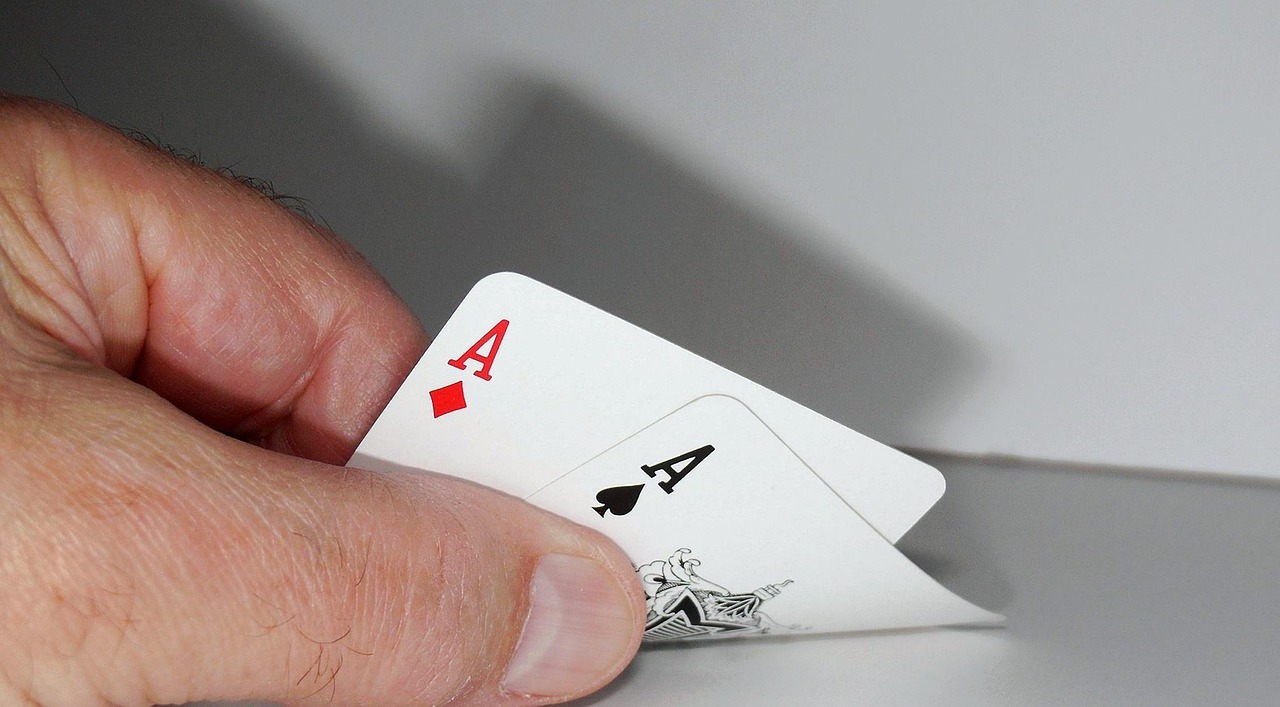
If you’ve played poker for any amount of time, you’ve likely come across that one player who barely enters pots, checks way too much, and folds like it’s their job. You know the type—tight and passive. They’re not out there bluffing or raising you off your hand. They’re sitting back, waiting for the nuts, and trying to avoid confrontation unless they think they’re way ahead.
On the surface, they might seem easy to play against. And in many ways, they are. But if you don’t adjust your strategy correctly, you could find yourself bleeding chips or missing out on some sweet, juicy value. So let’s dive into the nuts and bolts of how to exploit tight passive players and turn them into your personal chip dispensers.
First, What Is a Tight Passive Player?
Before we start bulldozing their stack, let’s make sure we’re clear on what we’re dealing with.
A tight player is someone who doesn’t play many hands. They fold most of their garbage, only enter pots with solid holdings, and generally prefer to avoid marginal spots.
A passive player is someone who doesn’t bet or raise often. They lean heavily on checking and calling, and rarely apply pressure unless they’re sitting on the second coming of pocket aces.
Put it together, and a tight passive player is someone who:
-
Only plays strong hands preflop
-
Avoids raising unless they’ve got something great
-
Calls more than they bet
-
Often “plays scared” or too conservatively
These are the players who think the safest way to win poker is by avoiding losses. Spoiler alert: it’s not.
Why Tight Passive Players Are Beatably Predictable
The great thing about these folks is their play style is usually a flashing neon sign. When they finally bet or raise, you know they have something. There’s not much deception in their game. It’s more or less ABC poker.
That predictability is your ticket to exploiting them.
But here’s the thing—while they don’t put you in too many tough spots, you can’t just sit back and wait for hands either. You need to adjust your game and extract max value when you have the edge.
The Main Strategy: Value, Value, Value
Against tight passive players, forget about bluffing all the time or running fancy lines. That’s not the move here. The main strategy is value betting them to death. If they’re going to call with top pair or worse, we’re going to charge them for it every time.
Let’s break it down.
1. Punish Their Weak Ranges Preflop
These players fold a ton of hands before the flop. If you’re in late position and they’re in the blinds, raise liberally. Don’t be afraid to steal.
If you’re in a multiway pot with a tight passive player who limped in, don’t give them a free pass—raise them and isolate. They’re not going to fight back without a hand. That means you get to:
-
Take control of the pot
-
Thin the field
-
Put them in tough spots post-flop
Plus, once you’re heads-up, you’ll find they’re usually check-calling with weak pairs, scared to put in more money unless they’ve got a monster.
2. Never Bluff Them Without a Clear Story
Here’s a huge mistake people make: trying to bluff a calling station.
Tight passive players might fold sometimes, but when they do call, they’re usually calling down with something they really believe in. So if you’re going to bluff, it has to be very calculated, with a believable line, and preferably on scary boards that hit your perceived range (and miss theirs).
But honestly? Against this type of opponent, you don’t need to bluff often. Why try to get them to fold when they’re going to pay you off with second-best hands?
3. Value Bet Thinner Than Usual
This is the bread and butter of playing these players. You can—and should—value bet hands that you might check back against tougher opponents.
Examples:
-
Got second pair on a dry board? Bet.
-
Top pair, weak kicker? Bet.
-
Mid pair after a passive check-call preflop? Still bet.
They’re calling with a wide range of worse hands, and they’re not going to raise you unless they’re really strong. That means you don’t get punished for thin value betting as much. You’ll often just get called by worse and win at showdown.
4. Pay Attention to Their Bet Patterns
Because tight passive players don’t bet often, when they do, it’s a huge clue.
If they suddenly wake up with a big turn or river bet, they probably have it. You don’t need to hero-call them unless you’ve got a solid read or some history.
It’s often better to just give up when they’re showing strength. Remember: they’re not bluffing. It’s not in their DNA.
5. Isolate Them Heads-Up
Multiway pots can get messy. If you isolate a tight passive player heads-up, you’re basically dragging them into a cage match they don’t want to be in.
You have position, initiative, and range advantage. That’s the trifecta.
You can keep applying pressure, force them to play marginal spots, and clean up with small but steady pots.
6. Be Patient, But Aggressive
It’s tempting to go into auto-pilot against players like this. But here’s the secret: you don’t need to go wild. You just need to be consistently aggressive when it matters.
They’re going to make mistakes—like calling too much or playing too tight—and your job is to capitalize on that over and over again.
7. Exploit Their Fear of Busting
In tournaments especially, tight passive players often play with the fear of elimination. They’ll fold hands they probably shouldn’t just to “stay alive.”
When the money bubble approaches? That’s your time to shine. Open more pots, pressure them relentlessly, and keep them on the back foot.
You don’t even need to show down strong hands—just force them to make tough decisions they’re not mentally ready for.
A Quick Word on Mindset
Here’s the thing—tight passive players aren’t dumb. They’re just cautious. Maybe they’re new to the game. Maybe they had a few rough beats and now play scared. Or maybe they just think playing tight and avoiding big pots is the “smart” play.
So don’t berate them or get frustrated when they call your bets with bottom pair. Don’t tilt if they limp in and suck out on you.
Stay cool, stick to your strategy, and focus on the long game.
Over time, these are some of the most profitable players at the table. They’re not exploiting you, they’re waiting to be exploited. And you’ve got the playbook.
Common Mistakes to Avoid Against Tight Passive Players
Let’s quickly run through some “don’ts” that people fall into:
❌ Don’t Try Fancy Bluffs
You’re not impressing anyone. These players don’t fold enough to make it worth it.
❌ Don’t Slowplay Big Hands
If they’re only going to call with a hand they like, don’t give them a free card. Bet, bet, and bet some more.
❌ Don’t Overestimate Their Hand Range
Because they play tight, you might think they always have it. But remember, when they do enter a hand, they still miss the flop most of the time. Treat them like anyone else when the board says so.
Bonus: Spotting Tight Passive Tendencies at Your Table
You don’t need to wait for a HUD or a tracker to figure this out. Just pay attention to the following signs:
-
They fold most hands preflop, especially in early position
-
They limp but rarely raise
-
They check-call flops, then fold turns when the pot gets big
-
They rarely bluff or re-raise
-
They go to showdown with just one or two pair
-
They look uncomfortable or reluctant to play big pots
If you spot someone doing most of those things? Ding ding. You’ve got a tight passive player. Time to go to work.
Final Thoughts: Make Them Your ATM
Playing against tight passive players is kind of like fishing in a stocked pond. The fish are there. You just need the right bait and a little patience.
Don’t overthink it. Stay aggressive when you’ve got the goods. Don’t bluff unnecessarily. And always, always, always value bet thinner than usual.
These players are trying not to lose. You? You’re trying to win.
And that’s the difference.