
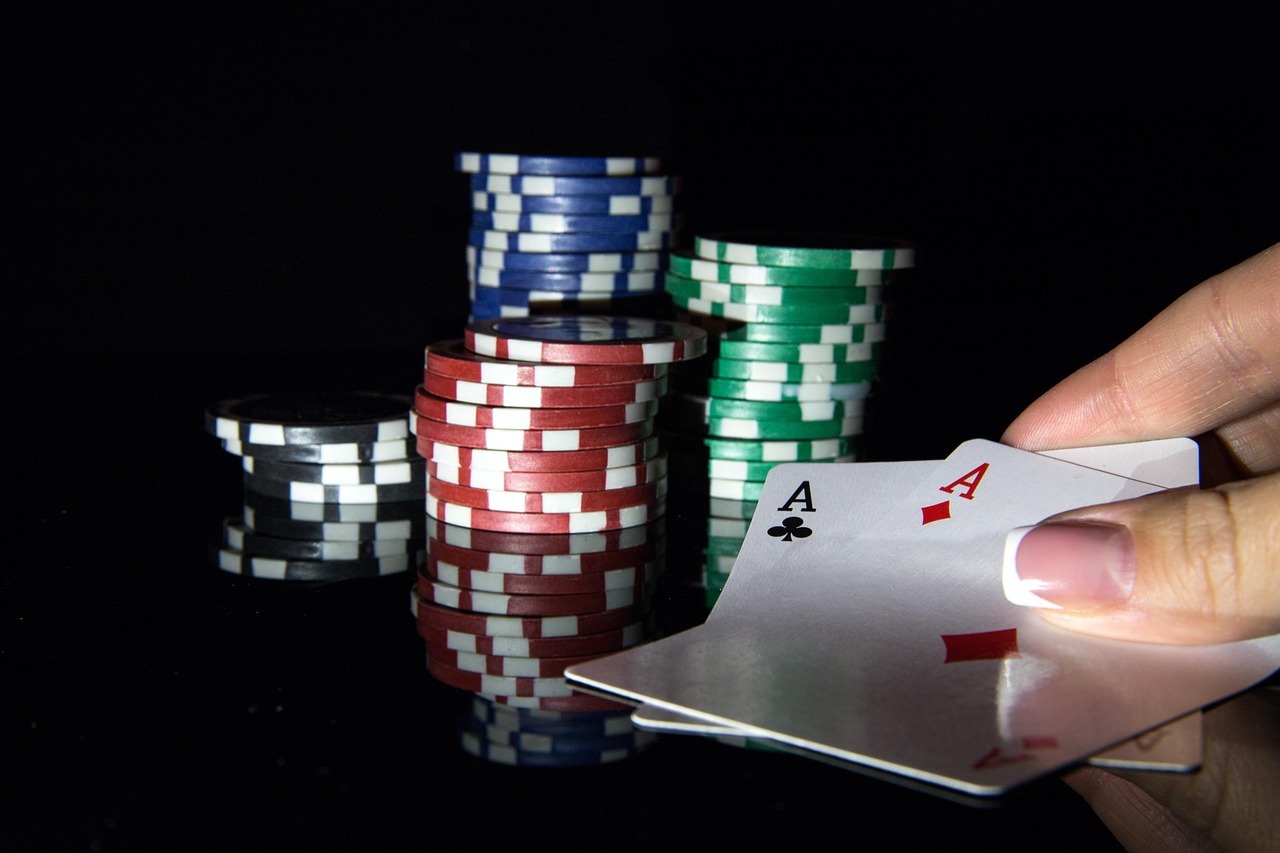
Alright, so you’re grinding at the tables and there’s this one player who’s just… solid. They’re not playing many hands, but when they do, they bet and raise with confidence. They’re not maniacs, they’re not fish — they’re tight-aggressive players, aka TAGs. These folks can be a real pain if you don’t know how to adjust, but the good news? They’re also predictable in their own way. Let’s talk about how to outplay them.
What Is a TAG Player?
First off, let’s make sure we’re on the same page.
A tight-aggressive player is someone who plays fewer hands (tight), but when they do, they play them hard (aggressive). They’re not calling stations, they’re not loose cannons — they’re selective and deliberate. You’ll usually find them raising pre-flop with strong ranges, c-betting a decent amount, and applying pressure post-flop if they sense weakness.
They’re often profitable players because they don’t spew chips and know how to leverage fold equity. But that doesn’t make them unbeatable — far from it. In fact, once you know what to look for, you can start poking holes in their game.
Step 1: Recognize the TAG Player Profile
Before you can beat ‘em, you gotta spot ‘em. When playing online you can use your HUD stats, when playing live you’ll have to pay attention to hands they’re playing.
Here are a few tells you’re dealing with a TAG:
-
They’re playing around 15-20% of hands pre-flop.
-
They raise more than they call.
-
They continuation bet (c-bet) frequently when they raised pre-flop.
-
They don’t chase marginal draws.
-
They fold when they know they’re beat — aka they’re disciplined.
You’ll see this type a lot at mid-stakes online and in tougher live games. They’re not there to gamble — they’re there to win. But you know what? Their discipline can be used against them.
Step 2: Don’t Butt Heads Without a Plan
The worst thing you can do against a TAG is go to war with a mediocre hand and no idea why you’re doing it. You need to have a plan for the hand you’re about to play.
So ask yourself:
-
What am I representing?
-
What does my hand beat in their range?
-
Can I make them fold a better hand?
If your answers are “I dunno, maybe?” — fold. TAGs will eat up wishful thinking. But if you’ve got a game plan and understand what they’re likely holding, you can start making smart, profitable plays.
Step 3: Steal Their Blinds (They Hate It)
Here’s one of the first cracks in the TAG armor: they love folding trash hands. That’s a good thing for them in general — but it also means you can steal their blinds a lot.
If you’re on the button or cutoff and it folds to you, and you’re staring down a TAG in the blinds? Raise. They’re not defending light. They’re not 3-betting with junk. Especially in live games, you’ll see them fold their small blind 80% of the time. That’s free money.
You can widen your opening range against them, especially in late position. Hands like suited connectors, small pairs, even weak suited aces become valuable when you’re in position and they’re playing fit-or-fold.
Step 4: Float the Flop, Take It on the Turn
TAGs love to c-bet. Like, it’s automatic. They raise pre-flop, flop comes down, and they throw out a bet — sometimes with nothing but two napkins.
If you notice they’re c-betting too often, especially out of position, this is your chance. Let’s say you call their raise pre-flop with a decent hand. Flop comes, and you don’t hit much, but neither do they. They c-bet. Instead of folding, float — call with the intention of betting if they check the turn.
Why does this work? Because TAGs don’t double-barrel with air nearly as much as they c-bet. When they fire the flop and then slow down, that’s often code for “I missed, help me.” That’s your green light.
Step 5: 3-Bet Light Against Their Steals
TAGs aren’t just disciplined — they’re also opportunistic. They know position matters, and they’ll steal from the cutoff and button with more than just monsters.
So how do you fight back? Light 3-betting. Take hands like A♠5♠, K♣9♣, 7♠6♠ — hands that play well post-flop but aren’t strong enough to just call. When they raise in late position and you’re in the blinds, fire back.
A well-timed 3-bet puts them in a tough spot. Remember, they don’t like playing out of position and they don’t like bloating pots with marginal holdings. So they’ll often fold. Or they’ll call and play passively, which gives you the initiative.
Bonus tip: Don’t overdo it. TAGs pay attention. Mix in strong hands like QQ+ so they don’t catch on.
Step 6: Respect Their 4-Bets and Barreling
Here’s the flip side: when a TAG fights back hard, pay attention. They’re not spewers. If they 4-bet you, they’re usually not messing around.
Same goes for multiple barrels post-flop. If a TAG bets flop, turn, and river — they probably have the goods. That doesn’t mean you auto-fold every time, but don’t try to bluff-catch every hero line. TAGs don’t bluff often enough to make that profitable.
Instead, use their honesty to your advantage. Fold when they’re strong. Fight when they’re weak. Easy game, right?
Step 7: Value-Bet Them Relentlessly
TAGs fold weak hands, but they call with decent ones — especially when they think you’re bluffing. So don’t get cute with traps. If you’ve got a strong hand, bet it.
Let’s say you hit top pair top kicker, or better yet, two pair against a TAG who called your pre-flop raise. Don’t slowplay. They’re not going to stack off lightly, so the way to make money is to get called by worse, not to set up some elaborate bluff trap.
Value-bet thinner than you might against a station. If you think they’ll call with second pair, go for it. If they fold, fine — that’s information. But if they call, you just got value where many players check.
Step 8: Use Position Like a Weapon
This is true in all poker, but especially against TAGs: position is everything. You want to be the one acting last, seeing what they do before you make your decision.
When you’re in position, you control the pot size. You can float, you can bluff, you can extract value. When you’re out of position against a TAG, things get trickier. They’ll punish your checks and make life uncomfortable.
So when you can, play pots in position. That may mean folding borderline hands in the blinds or avoiding 3-bet pots out of position. Trust me, it’s worth it.
Step 9: Understand Their Psychology
Let’s talk about psychology and poker.
TAGs often see themselves as “correct” players. They follow the book. They believe in discipline, patience, good bankroll management — and most of the time, they’re right. That’s what makes them solid.
But it also makes them susceptible to tilt when they lose control. If you keep putting them in tough spots, they start doubting their reads. If you call their c-bet and raise the turn, and they fold, then you show a bluff just once — you can get in their head.
Make them question whether their tight folds are costing them money. If they start thinking you’re the aggressor now, you’ve won the psychological battle.
Step 10: Know When to Switch Gears
Eventually, a good TAG is going to catch on. If you keep 3-betting them light or floating every flop, they’ll adjust. Maybe they tighten up even more. Maybe they start 4-betting light in return. Maybe they trap.
You’ve got to change gears to stay ahead. If they start fighting back more, tighten up for a while. Let them bluff into your stronger range. Then, when they go back to default mode, you can exploit again.
Poker is a dance. You don’t always lead. Sometimes you follow, then spin them when they least expect it.
Final Thoughts: Play Smart, Not Fancy
Beating TAGs isn’t about showing off or pulling off wild bluffs. It’s about understanding how they play and why they play that way — and then flipping that script.
You don’t need to beat them at their own game. You need to beat them with the right counter-strategy:
-
Steal their blinds
-
Float their weak c-bets
-
3-bet their late position raises
-
Value-bet relentlessly
-
Fold when they show real strength
-
Use position
-
Mess with their mental game
Once you get comfortable doing this, you’ll start to love seeing TAGs at your table. Because they’re consistent — and consistency is predictable. And in poker, predictability is your best friend.
So next time you’re facing a TAG, don’t shy away. Step up. Dance with them. And when they think they’ve got you figured out, change the beat.