
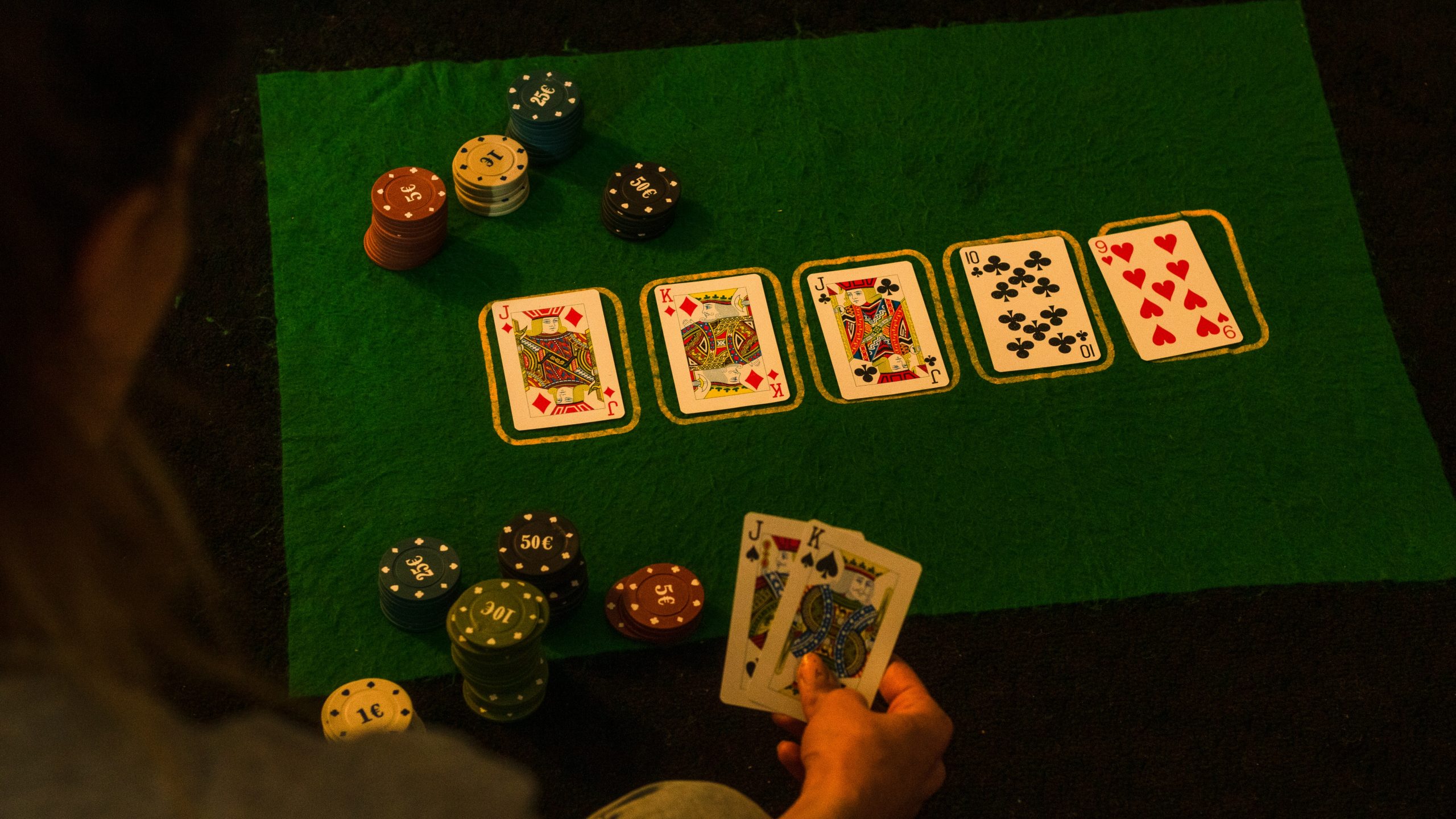
So, you’ve made it to the final frontier of poker—the one-on-one battlefield known as heads-up. It’s just you and your opponent, no distractions, no other players to hide behind. Every hand, you’re either the small blind and big blind (yes, small blind acts first preflop and last postflop), and every decision matters. Welcome to heads-up cash poker. It’s aggressive, it’s psychological, and it’s super fun—if you know what you’re doing.
Let’s dive into the nitty-gritty of how to beat your opponent in heads-up cash games. Whether you’re a grinder at $1/$2 or flirting with high-stakes action, these strategies will help sharpen your game.
1. Play More Hands—A Lot More
Let’s start with something that sounds almost too simple to be true: you need to play a TON of hands heads-up. Like, way more than you’re probably comfortable with.
In a typical 6-max game, you might fold hands like 9♠4♦ or K♣2♥ without a second thought. But in heads-up? These hands are playable. You only have one opponent, and chances are, they don’t have much either. Range vs range, you’re both going to be missing the flop more often than not. That means the winner is usually the one who fights harder for the pot.
The magic number you’ll often hear is playing around 70-85% of hands on the button (small blind) and maybe 60-70% from the big blind. This includes a lot of suited junk, weak aces, low connectors, and off-suit kings. Yes, you’ll be out of position sometimes—but that’s just part of the game.
👉 Rule of thumb: If your hand has any connectivity, suitedness, or high card potential, consider playing it. Folding too much = letting your opponent rob you blind.
2. Aggression Wins—But Not Blind Aggression
Heads-up poker is war, and the aggressive player often controls the pace. But let’s be clear: there’s a big difference between aggression and recklessness.
You want to be betting and raising more than calling, especially in position. This doesn’t mean shoving all-in every hand, but it does mean you should:
-
Open-raise frequently on the button—2.5x or even just a min-raise can do the job.
-
3-bet bluff from the big blind with hands that have blockers or play well postflop (think A-x, K-x, or suited connectors).
-
Continuation bet (c-bet) the flop often—especially on dry boards where your opponent probably missed.
But be smart about it. If your opponent is sticky (calling station), you’ll need to back off the bluffing and focus more on value betting. If they’re folding too often, fire away with those bluffs until they adjust—or bust.
👉 Pro tip: Mix in delayed c-bets (betting the turn after checking back the flop) to keep your strategy balanced.
3. Know Your Opponent (Even After Just a Few Hands)
Heads-up poker is the ultimate test of reading your opponent. You only have one target. That means every action they take is a clue.
Pay close attention to:
-
How often they raise preflop
-
Do they 3-bet light or only with premiums?
-
Do they barrel multiple streets or shut down after the flop?
-
Are they folding to c-bets or calling with bottom pair?
Adjust your strategy fast. If they’re overly aggressive, trap them. If they’re passive, value-bet them to death.
Sometimes in cash games, you’ll be playing the same opponent over and over. That’s when things get spicy. Now it’s about leveling: What do they think you have? What do they think you think they have? It can get meta real quick—but that’s part of the fun.
👉 Shortcut for new players: Start with a solid, aggressive base strategy, then adapt based on your opponent’s leaks.
4. Position is Everything
Let’s say this one loud for the folks in the back: being in position is HUGE in heads-up.
When you’re on the button, you’re the small blind—but you act last after the flop. That gives you a massive edge. You get more information, more control, and more chances to bluff effectively.
So what does that mean in practice?
-
Play wider on the button. You’re going to see more flops and have better options postflop.
-
Call more and pot control out of position. From the big blind, you’re going to have to defend a lot—but be careful about bloating pots without strong hands.
-
Float in position. That means calling flop bets with the intention of bluffing later streets when your opponent shows weakness.
👉 In short: Value your position like gold. It’s your biggest advantage.
5. Adapt Your Bet Sizing
Heads-up isn’t one-size-fits-all when it comes to bet sizing. You’ll want to use a mix of sizes based on your hand, the board texture, and your opponent.
Some tips:
-
Preflop: Stick to 2x–3x opens. You can min-raise if your opponent isn’t 3-betting a lot. Increase size if they’re calling too wide.
-
Postflop: Use smaller c-bets (33–50% pot) on dry boards, and go bigger (70–100%) on wet, draw-heavy boards.
-
Overbet selectively: Especially on the river when you want to polarize your range. Big bets can force folds or extract value depending on your image.
Mix things up! If you’re always betting the same way, a good opponent will read you like a book.
6. Don’t Be Afraid to Go to Showdown
Let’s talk showdown. In heads-up, you can’t always bluff your way out of trouble. Sometimes, you just have to show down a weak hand.
Calling with ace-high or bottom pair on a scary board might feel weird, but against the right opponent, it’s correct. Especially if they’re bluffing too much or barreling every missed draw.
Key factors for showdown decisions:
-
Did they bet every street without slowing down?
-
Did any draws get there?
-
Would they bet a worse hand for value?
Train yourself to make thin value calls and gutsy hero calls. Yes, you’ll be wrong sometimes—but if you’re never calling light, you’re leaving money on the table.
👉 Bottom line: Some of the biggest pots in heads-up come down to who’s more comfortable with marginal hands.
7. Mental Game: Tilt Control is Crucial
Heads-up can be brutal. You lose a few pots, you feel like your opponent is bullying you, and suddenly you’re playing emotionally. Tilt is the silent killer here.
Because you’re involved in almost every hand, a small mistake or a bit of tilt can snowball fast. Stay calm, stay focused. If you feel it creeping in—take a break. Walk away, grab water, clear your head.
Also, remember this: variance is a monster in heads-up. Even the best players will go through downswings. Don’t let short-term results shake your long-term confidence.
👉 Real talk: The best players aren’t just better technically—they’re more resilient mentally.
8. Heads-Up Bankroll Management
Heads-up cash is swingy. And I mean swingy. One cooler, one bad bluff, or one misread can cost you a big chunk of your stack. That’s why solid bankroll management is key.
The general rule is:
-
50+ buy-ins for lower stakes (NL50 and below)
-
100+ buy-ins for higher stakes (NL200+)
Why so many? Because the variance in HU is insane compared to full ring or 6-max. If you’re multi-tabling or playing high-volume, you might get away with a bit less—but it’s always better to be safe.
Don’t be that person who wins five buy-ins in a session and then punts it all chasing losses the next day.
9. Study, Review, and Evolve
Just like any form of poker, if you’re not learning, you’re falling behind. Heads-up strategy changes, and each opponent presents a new puzzle to solve.
How to keep getting better:
-
Review your sessions—especially the big pots and borderline decisions.
-
Use tools like solvers (GTO+ or PioSolver) to study optimal play in spots you’re unsure about.
-
Watch heads-up matches online (High Stakes Duel, anyone?) and try to guess the pro’s actions before they act.
-
Discuss hands with friends or in poker forums.
The more you think deeply about hands, the sharper your instincts become. And in heads-up, good instincts are worth their weight in gold.
Final Thoughts
Heads-up cash poker is one of the purest forms of the game. It’s you vs. them. No excuses. No luckboxing from the guy in seat 7. Just reads, mind games, and guts.
To win consistently, you need:
-
A wide and aggressive preflop range
-
Smart postflop decision-making
-
The ability to adapt to your opponent
-
Emotional control under pressure
It’s challenging, it’s dynamic, and honestly? It’s addictive.
So fire up that heads-up table, trust your gut, and remember: in the game of poker, the last one standing usually isn’t the luckiest—it’s the most prepared.