
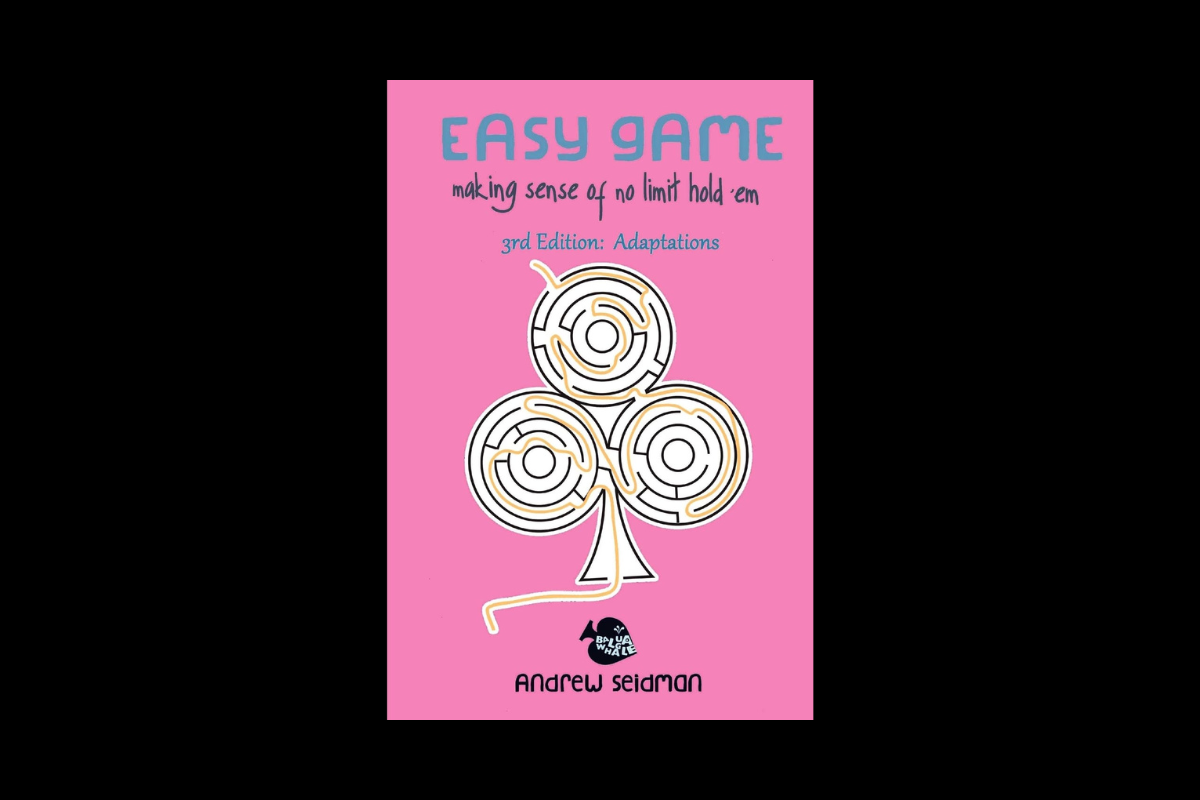
In the conclusion of Easy Game, Andrew Seidman reflects on his personal journey from a losing home-game player to a high-stakes professional. He begins by recounting how early frustration and repeated losses sparked an obsession with improvement. What started as a desire to beat a specific opponent gradually evolved into a deeper pursuit of mastery.
Initially motivated by competition and later by money, his focus ultimately shifted toward understanding. The turning point came when he stopped chasing stakes and instead immersed himself in studying, coaching, and analyzing the game. Mastery followed naturally once curiosity replaced ego.
The Power of Questioning
A central theme of the conclusion is intellectual humility.
Seidman emphasizes that improvement comes from asking questions relentlessly. The players who improve are not the loudest voices offering advice, but the ones constantly probing for deeper explanations. By challenging assumptions, demanding clarity, and revisiting concepts repeatedly, true understanding develops.
Poker, in his view, rewards curiosity. Growth requires discomfort, persistence, and a refusal to accept shallow reasoning.
How the Book Was Created
The book emerged organically from years of coaching. Through repeated discussions with students, Seidman began identifying recurring leaks and structural misunderstandings. These patterns became the foundation for the theoretical framework presented throughout the book.
The format—short conceptual essays—reflects that coaching origin. Each chapter addresses a specific theoretical problem, aiming to simplify complex dynamics into usable principles.
He notes that everything he uses to beat high stakes is contained within the ideas presented. The strategies are not overly complicated; they are foundational concepts applied correctly and consistently.
Poker as a Profession
Beyond strategy, the conclusion highlights lifestyle considerations.
Poker offers freedom, flexibility, and the potential for meaningful financial independence. However, success requires:
-
Solid theoretical knowledge
-
Emotional discipline
-
Proper mental control
He stresses professionalism. Avoid playing when tired. Avoid sacrificing relationships for short-term gain. Treat poker as a job with chosen hours and conditions. Discipline off the table matters as much as discipline on it.
Knowledge and Mental Control
Seidman identifies two primary obstacles to success:
-
Lack of knowledge
-
Lack of emotional control
The book addresses both. Strategic clarity improves decision-making, while mental awareness prevents self-sabotage. Without control over ego and emotion, even strong technical players struggle.
Poker and Life
The conclusion broadens into a philosophical parallel between poker and life. In both:
-
Outcomes are not fully controllable.
-
Variance exists.
-
Improvement is possible through deliberate effort.
The emphasis returns to motivation. When driven by learning rather than ego or short-term results, progress becomes sustainable.
Final Message
The overarching message is simple: mastery comes from curiosity, discipline, and continuous questioning.
Poker can be challenging, volatile, and psychologically demanding. But with the right approach—intellectual rigor paired with emotional control—it becomes manageable, profitable, and even enjoyable.
Improvement is available to anyone willing to ask better questions and commit to understanding.