
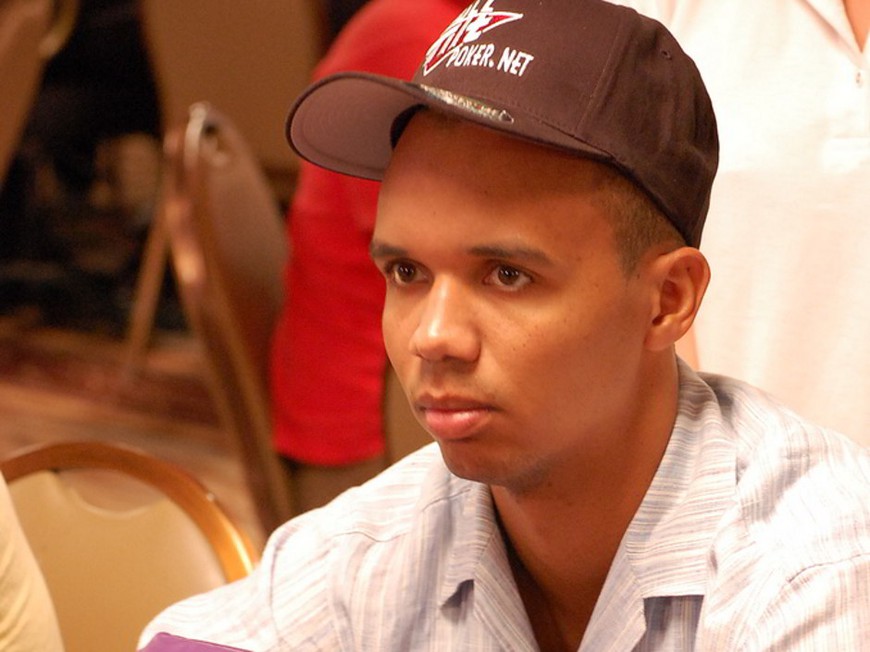
Poker is one of those rare games where a single hand can change a life. It’s thrilling, brutal, and brilliant all at once. Over the decades, poker has transformed from smoky backrooms and late-night home games into a full-blown global phenomenon, broadcast on TV and streamed online to millions of fans. But no matter how flashy the scene gets, what really drives poker’s mystique are the personalities at the table—the players themselves.
Let’s dive into the stories of some of the most famous poker players of all time. These folks aren’t just skilled with the cards; they’ve left their mark on the game in unforgettable ways. Whether they dominated the World Series of Poker (WSOP), terrorized cash games, or simply became icons through sheer charisma, these players helped shape what poker is today.
Doyle Brunson – The Godfather of Poker
You can’t talk about poker legends without starting with Doyle Brunson. This guy was playing poker when it was still borderline illegal in a lot of places. Born in 1933, Brunson was originally an athlete—he was even drafted by the Minneapolis Lakers (before they became the Los Angeles Lakers). But a knee injury ended his basketball career, and he turned to poker.
Boy, did he make the right choice.
Doyle went on to win 10 WSOP bracelets, including back-to-back Main Event titles in 1976 and 1977. He was a key figure in transforming poker from an underground hustle to a legitimate sport. His book, Super/System, is basically the poker Bible. When he talks poker, people listen.
He also played in the infamous “Big Game” at the Bellagio—where stakes were nosebleed high and egos even higher. Doyle was the quiet cowboy who let his chips do the talking. He passed away in 2023, but his legacy will never fold.
Phil Hellmuth – The Poker Brat
If Brunson is the wise old cowboy, Phil Hellmuth is the flashy, temperamental superstar. He’s the guy who will yell about how unlucky he is, how bad his opponent is, and how he’s still the best player alive—all in the same breath.
And honestly? He might not be wrong.
Phil won the WSOP Main Event in 1989, at just 24 years old, beating Johnny Chan (more on him in a sec). Since then, he’s racked up an astonishing 17 WSOP bracelets, the most in history. That’s not just good—it’s historic.
Love him or hate him (and plenty do both), Phil is an entertainer. He brings drama, flair, and a bit of WWE-style showmanship to the poker table. But make no mistake: underneath all the ego is a fiercely talented tournament player.
Daniel Negreanu – Kid Poker
Then there’s Daniel Negreanu, the man who made poker cool in the 2000s. With his boyish grin, endless banter, and uncanny ability to read opponents like open books, Negreanu was the poster child of the poker boom.
Originally from Toronto, Canada, he earned the nickname “Kid Poker” after becoming the youngest WSOP bracelet winner at the time in 1998. Over his career, he’s won six WSOP bracelets and over $50 million in live tournament earnings.
Negreanu is known for his table talk—he’ll chat with opponents, joke, guess their exact hands, and somehow still win. That charisma helped him become one of the most recognizable faces in poker, starring in TV shows like High Stakes Poker and Poker After Dark.
He’s also very active on YouTube and Twitter, keeping the game in the public eye and mentoring new players. If poker had a mayor, it might be Daniel.
Phil Ivey – The Tiger Woods of Poker
Now we get to the most feared man in poker: Phil Ivey.
Ivey has the kind of cold, unreadable stare that could make you fold a full house. He’s not flashy like Hellmuth or chatty like Negreanu. He’s just… lethal.
He started playing in Atlantic City as a teenager, using a fake ID. By his early 20s, he was crushing the biggest games in the world. He has 10 WSOP bracelets, tying him with Brunson and Johnny Chan, and his live tournament winnings are north of $30 million. But that doesn’t even count his earnings in high-stakes cash games and online.
He’s played nosebleed games in Macau and was a key figure in the infamous edge-sorting controversy, where he won millions from casinos using a legal (but controversial) advantage.
To many poker purists, Ivey is the GOAT—the Greatest of All Time.
Johnny Chan – The Orient Express
If you’ve seen the movie Rounders (and if you haven’t, do yourself a favor), you probably remember Johnny Chan. There’s a scene where Matt Damon’s character watches Chan play and folds a winning hand because “he knows he’s beat.”
That’s the kind of aura Johnny Chan had in his prime.
He won back-to-back WSOP Main Events in 1987 and 1988, and nearly made it a three-peat in 1989, losing to—you guessed it—Phil Hellmuth. Chan has 10 bracelets, and for a while, he was the gold standard of tournament dominance.
He was one of the first major poker stars of Asian descent, paving the way for the game’s international growth. Quiet, deadly, and incredibly skilled, Chan is poker royalty.
Chris Moneymaker – The Everyman Who Changed Everything
Every poker boom needs its spark. For the modern era, that spark was Chris Moneymaker.
In 2003, Moneymaker was a Tennessee accountant who won a $39 satellite tournament online. That earned him a seat in the WSOP Main Event. Against all odds, he won the whole thing—$2.5 million, beating a field of pros, including legends like Ivey and Farha.
Why was this such a big deal? Because Moneymaker wasn’t a pro. He was just a regular guy, playing from his computer. His victory proved that anyone could win.
That one win sparked what people now call the “Moneymaker Effect”—an explosion of poker interest that filled casinos, fueled online poker, and introduced a whole new generation to the game.
Vanessa Selbst – The Queen of Poker
Poker has long been male-dominated, but Vanessa Selbst shattered that mold in spectacular fashion. She’s not just the most successful female tournament player of all time—she’s one of the best players, period.
Selbst has over $11 million in live tournament earnings and three WSOP bracelets. Known for her aggressive style and fearlessness at the table, she made deep runs in some of the toughest fields around.
Off the felt, she’s just as impressive—she’s a Yale Law graduate and worked at a hedge fund after stepping away from full-time poker. But she’s never left the game entirely, and her legacy remains strong.
Antonio Esfandiari – The Magician
Nicknamed “The Magician” because of his past as a stage performer, Antonio Esfandiari brought charm and flair to the game. But behind the smile was serious skill.
His most famous win came in 2012, when he won the $1 million buy-in Big One for One Drop event at the WSOP, taking home $18 million—the largest single payout in tournament poker history at the time.
Esfandiari combined TV appeal with tournament success. His rapport with fellow pros (especially Phil Laak) made him a fan favorite on shows like High Stakes Poker and Poker After Dark.
Tom Dwan – The Internet Phenom
If the early 2000s were about televised poker, the late 2000s belonged to online legends—and no one had more hype than Tom “durrrr” Dwan.
Dwan made a name for himself crushing the highest-stakes games on Full Tilt Poker when he was barely out of his teens. He played $500/$1000 cash games online like they were Monopoly money.
Known for wild bluffs and fearless aggression, he transitioned to live TV with ease. He was a staple on Poker After Dark and High Stakes Poker, regularly putting legends like Hellmuth and Negreanu in awkward spots.
Though his live tournament results are modest compared to others on this list, Dwan’s impact on high-stakes poker—and his cult-like fan base—earned him a place in poker history.
Honorable Mentions
Of course, there are tons of other big names that could easily be in the spotlight:
-
Erik Seidel – The quiet assassin with over $40 million in earnings and 9 bracelets.
-
Jason Koon – A modern tournament beast, thriving in the high-roller circuit.
-
Bryn Kenney – Briefly held the record for most all-time live tournament winnings.
-
Fedor Holz – The German wunderkind who crushed the high-roller scene in his early 20s.
-
Liv Boeree – Scientist-turned-pro, bringing intelligence and elegance to the felt.
Final Thoughts: Poker’s Enduring Allure
So what makes a poker player “famous”?
It’s not just about the bracelets or the millions. It’s about personality. Presence. Impact.
These players—whether loud or quiet, new-school or old-school—made people care. They inspired dreams, taught lessons, and brought strategy into the mainstream. They showed us that poker is a blend of math, psychology, guts, and grit.
In a game where luck can change in a heartbeat, it’s the legends who stay standing. And in the world of poker, these names will always have a seat at the table.