admin

Chapter 3 of Harrington on Hold ’em: Reading the Table

In chapter 3 of Harrington on Hold ’em, Dan Harrington explains that winning no-limit hold ’em is not just about choosing mathematically sound plays, but about constantly interpreting what everyone at the table—including you—appears to be doing. He calls this skill reading the table, and it combines physical observation, betting analysis, and self-awareness. Why Poker…

Read Full News

Chapter 2 of Harrington on Hold ’em: Playing Styles and Starting Requirements

In chapter 2 of Harrington on Hold ’em, Dan Harrington explains poker as a game of misdirection: you profit most when opponents think they know what you’re doing—and you then do something different. He lays out three core playing styles, shows how starting-hand requirements change across styles and positions, and then shifts to practical tournament…

Read Full News
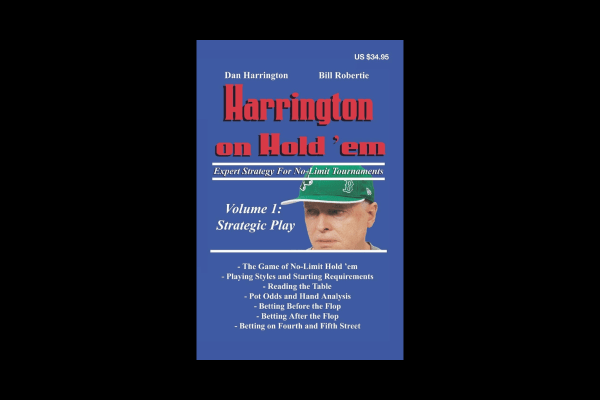
Harrington on Hold 'em Summary Cover

Harrington on Hold ’em by Dan Harrington: Summary

Harrington on Hold ’em by Dan Harrington is a practical, tournament-focused guide to thinking clearly under pressure—covering hand selection, betting strategy, pot odds, and the mindset that separates steady winners from chip-spewers. What You’ll Get From This Summary This Harrington on Hold ’em summary turns Harrington’s key ideas into an easy-to-scan reference you can come…

Read Full News

Chapter 23 of The Mental Game of Poker by Jared Tendler: Developing Stable Confidence

In chapter 23 of The Mental Game of Poker, Jared Tendler explains how to build stable confidence by strengthening a few underdeveloped poker “recognition” skills and by removing mental traps that create false confidence during heaters and false doubt during downswings. What Stable Confidence Really Is Stable confidence isn’t permanent certainty or always feeling great….

Read Full News

Chapter 22 of The Mental Game of Poker by Jared Tendler: Confidence

In chapter 22 of The Mental Game of Poker, Jared Tendler breaks down the most common motivation problems poker players face and shows how each one usually comes from fixable issues in goals, habits, and other mental-game leaks. Laziness Tendler argues that “I’m lazy” is often an excuse that makes change feel impossible. Laziness isn’t…

Read Full News