
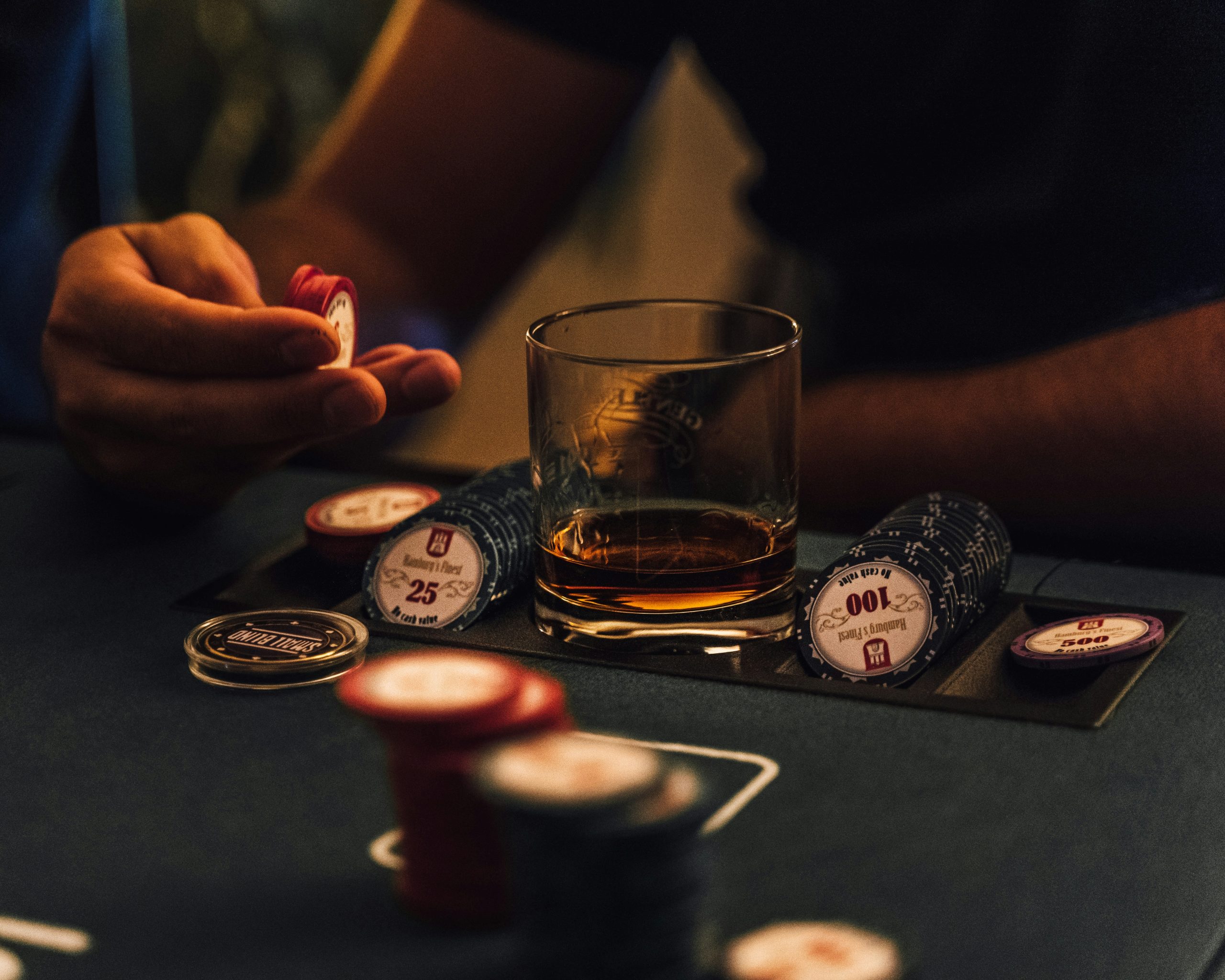
Alright, let’s dive into a topic that stirs up endless debate in poker rooms (both live and online), on forums, and over late-night beers: is poker still beatable in 2026? Short answer? Yes, but it’s not what it used to be. If you’re dreaming of grinding your way to a six-figure income like it’s 2005 with a hoodie and a Stars account, you’re probably in for a rude awakening.
But let’s not be doom and gloom. The game’s still alive. People are still making money. The game has evolved, the ecosystem has shifted, and the margins are tighter — but “beatable” doesn’t mean “easy.” So let’s break this down.
What Does “Beatable” Even Mean?
Before we go any further, let’s define what we mean when we say a game is “beatable.”
In poker, a game is beatable if a skilled player can maintain a long-term positive win rate, even after factoring in rake (i.e., the house’s cut), variance, and other costs (like tracking software subscriptions, travel, time, etc.). If you can do that — and ideally do it better than your opponents — you’re beating the game.
Now, whether that means you’re beating $5 home games for beer money or crushing $10K buy-in high rollers is a matter of scale. But beatability at its core just means there’s still value to extract.
The State of Online Poker in 2026
Let’s start with the online game because that’s where the biggest changes have happened over the past two decades.
The Good Old Days Are Over
Online poker in the mid-2000s was like the Wild West. Nobody knew what they were doing, rake was low, and the word “solver” hadn’t even entered the conversation. You could crush micro and small stakes just by playing tight and not punting your stack away with top pair.
Today? Entire populations of players have grown up with solvers like PioSOLVER and GTO Wizard. People study. They watch advanced coaching videos. And even at the micros, you’ll find guys who understand range construction and bet sizing in a way that was reserved for elite players 10 years ago.
In short: the average player has gotten a LOT better.
Rake is a Silent Killer
One of the biggest issues with beatability in online poker these days is rake — especially at low stakes. Some sites take upwards of 5-6% of the pot, with caps that aren’t always kind. And guess what? Rake doesn’t care if you’re a good player or a bad one. It’s the great equalizer.
A great player might have a 5bb/100 win rate pre-rake, but after rake and other fees, that can drop to 1-2bb/100. At that point, you’re putting in a lot of volume for not a lot of return — and any small downswing can eat up weeks of profit.
So yes, the games are beatable, but the margin for error is tiny.
Live Poker: A Different Beast
Now, live poker is a totally different story.
You might think in this solver-driven era that live games would dry up, but that hasn’t happened. In fact, live poker has had a bit of a renaissance over the past few years, especially since the pandemic ended.
Why Live Games Are Still Juicy
Here’s the thing: live poker is slow. You’re seeing maybe 25–30 hands an hour at a standard 9-handed table. That slowness naturally filters out some of the more technical aspects of the game. People get bored. They talk. They make emotional decisions. They limp with garbage. They chase gutshots because they “just feel it.”
In other words: people still punt.
The skill gap between a solid, thinking player and the average live rec is still significant — especially at the $1/$2 and $2/$5 level. Even at $5/$10, you’ll find regulars who have huge leaks in their game, especially when it comes to things like overfolding to aggression or misplaying draws.
In fact, some grinders will tell you that $2/$5 live is the new $0.50/$1 online — just with more talking and more cocktails.
What About Solvers and GTO? Has That “Solved” the Game?
Great question.
A lot of people ask whether poker is “solved,” and the answer is — yes and no.
Yes, in that for heads-up No-Limit Hold’em, computers have gotten pretty close to “solving” optimal strategy. But for 6-max or 9-handed full ring games? With deep stacks, multiple bet sizes, and human variance? Not even close. The complexity is just too vast.
What solvers have done is give players a baseline. People now have access to tools that can show them how to think about ranges, how to balance bluffs and value bets, how to construct check-raising strategies, and so on. It’s a huge leap forward in terms of knowledge.
But — and this is a big but — very few people can actually execute solver strategies at the table, especially in live environments. Real poker is messy. People get tilted. They misclick online. They misread the board. They forget their ranges. They panic. None of that exists in a perfect solver environment.
So while solvers have raised the overall level of play, they haven’t made the game “unbeatable.” They’ve just raised the bar.
Who’s Still Crushing Poker in 2026?
Let’s talk about the kinds of people who are actually beating the game in 2026.
1. The Elite Pros
These are the guys playing nosebleeds and high-roller tournaments. Think of names like Jason Koon, Michael Addamo, or Stephen Chidwick. They live in the lab, study full-time, and think in terms of range interaction and exploitative counter-strategies. These players are a different species.
If you’re not already in this world, you’re probably not getting there without a decade of dedication.
2. The Mid-Stakes Live Grinders
These players make their living at $2/$5 and $5/$10 tables, often in places like Vegas, LA, or Florida. They know how to exploit weak players, manage their bankroll, and avoid spewing during downswings. They’re not solvers nerds necessarily, but they’re disciplined, aggressive, and patient.
3. Online Regs Using Tech + Volume
Some people still crush online, especially in countries where they have access to soft player pools or lower rake environments (like parts of Asia or Eastern Europe). These regs use HUDs (when allowed), table select aggressively, and multitable to generate volume.
But they’re grinding a razor-thin edge — and most of their edge comes from knowing how to exploit deviations from GTO, not just playing “perfectly.”
4. Hybrid Players
These are newer-age players who mix live and online, cash and tourneys, and often produce educational content or coaching on the side. They’re adaptable and understand the current poker economy. They’re not just chasing EV — they’re treating poker as part of a broader lifestyle hustle.
What About Recreational Players?
If you’re not looking to go pro, can you still beat the game?
Absolutely. In fact, recs might be in a sweet spot right now. You can pick your spots, play live once or twice a week, and if you study a bit and avoid tilt, you can absolutely come out ahead. Many live players at low stakes have win rates of 5–10bb/hr or more, just by playing solid, patient poker and avoiding big mistakes.
Tips If You Want to Beat Poker in 2026
Let’s say you’re serious about beating the game. Maybe not full-time, but you want to make money or at least play +EV.
Here’s what you need to focus on:
-
Game Selection is King
The softer the game, the bigger your edge. Don’t waste time battling regs when you could be printing money against fish. -
Study the Right Stuff
Don’t just memorize solver outputs. Learn why things work — range advantage, equity realization, blockers, etc. -
Track Results Religiously
Whether it’s with a poker tracker, Excel sheet, or journaling — know your numbers. Guessing doesn’t cut it anymore. -
Play Fewer Tables, Better
Don’t autopilot. Focused play > high volume if you’re leaking chips without realizing it. -
Balance Exploitative and GTO Play
Pure GTO doesn’t beat bad players. Learn to exploit weaknesses — but know how to tighten up against thinking opponents. -
Keep Your Mental Game Sharp
The best strategy in the world won’t save you if you tilt after losing a flip. Mindset matters.
So… Is Poker Beatable in 2026?
Let’s bring it home.
Yes — poker is still beatable in 2026.
But the game has matured. It’s not the easy money machine it once was. If you’re lazy, unstudied, and think tight is right, you’re going to lose. If you put in the work, play smart, and constantly improve — you can still win. Maybe not millions, but real money? Definitely.
The fish haven’t left. They’re just better disguised. And if you can learn to spot them — and exploit them — the edge is still there.
Just don’t expect to get rich overnight. This is the long game. Play it well.