
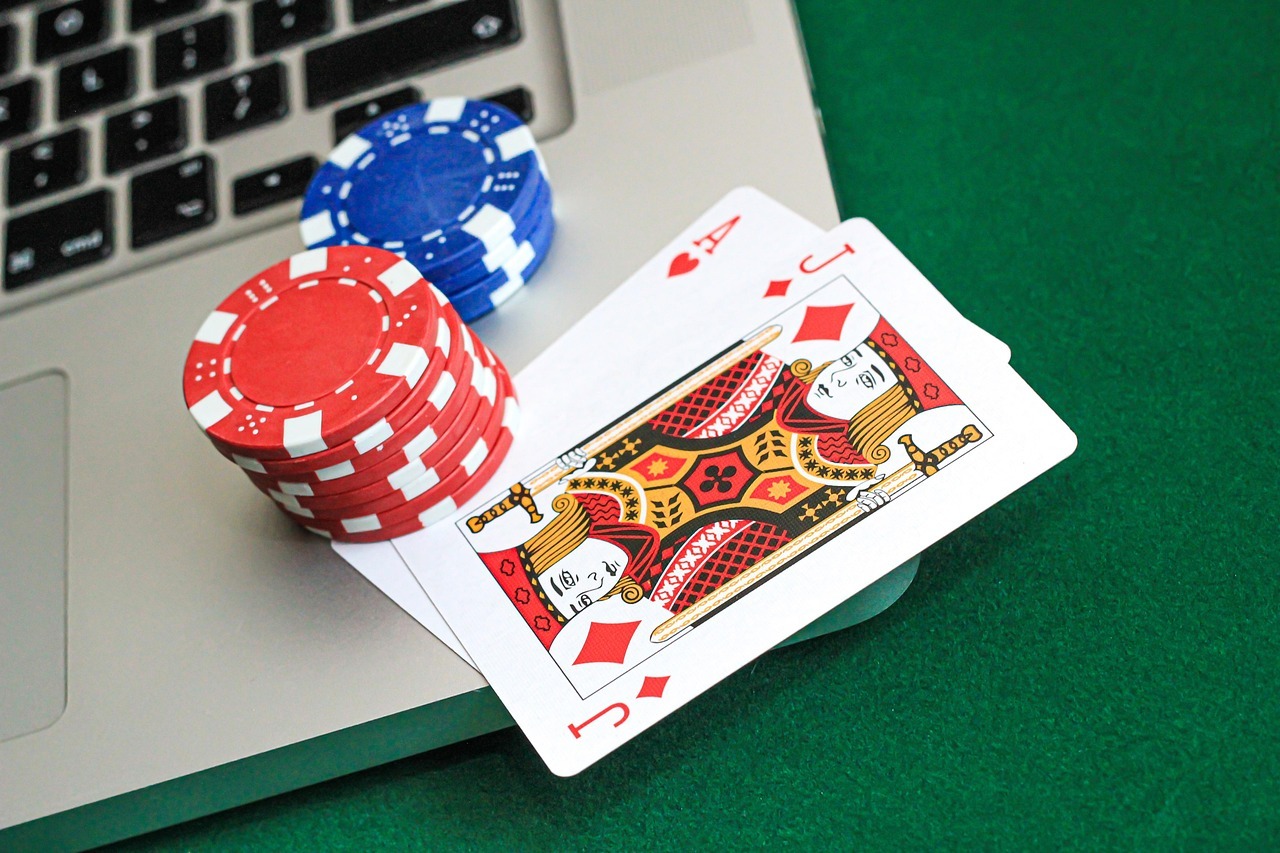
Let’s be real—online poker can be both ridiculously fun and brutally humbling. One minute you’re riding high on a sweet bluff, and the next, your entire stack is gone because someone slow-played pocket aces. Whether you’re a curious beginner or someone who’s taken a few virtual bad beats, leveling up your game isn’t just about luck—it’s about sharpening your strategy and playing smart.
So grab a coffee, sit back, and let’s talk about some solid tips to help you win more often (or at least lose a little less dramatically) when you’re playing poker online.
1. Know the Rules—Really Know Them
Okay, this might sound obvious, but stick with me. Yes, you probably know that a flush beats a straight. But have you really internalized how position affects your hand strength? Do you understand how pot odds work? Have you practiced identifying betting patterns?
Take some time to read up or watch a few videos on not just what hands beat what, but also the deeper game mechanics. There’s no substitute for truly understanding poker theory, especially when you’re playing against players who do.
👉 Tip: Use free apps or play-money sites to practice without pressure.
2. Start at Low Stakes (Even If You’re Confident IRL)
Online poker is a different beast from live games. The pace is faster, the players are more aggressive, and multi-tabling is a thing. Even if you’re a home game legend, start at low stakes when you transition online.
It lets you:
-
Learn the interface without costing a fortune
-
Get used to online dynamics like quick folds and auto-buttons
-
Play more relaxed and focus on improvement rather than winnings
Think of it as paying for a poker education. You’ll thank yourself later.
3. Play Fewer Hands—But Play Them Aggressively
Here’s a quick truth bomb: most beginners play way too many hands. Online poker makes it easy to get antsy because the cards are flying fast. But patience is your best friend.
Stick to a solid range of starting hands, especially from early position. And when you do enter a pot—don’t limp! Raise or fold. Passive play just bleeds chips over time.
✅ Tight and aggressive is the name of the game.
4. Pay Attention to Position (Seriously, It Matters A Lot)
Position is one of the most underrated factors in online poker, especially among newer players. Being “in position” (i.e., acting after your opponent) gives you more information, more control, and more chances to outplay people post-flop.
If you’re in early position, play only premium hands. In later positions—like the cutoff or button—you can widen your range a bit because you’ll get to see how the action unfolds before you make your move.
🧠 Key idea: The later your position, the more hands you can profitably play.
5. Avoid Distractions While Playing
One of the most dangerous things about playing poker from the comfort of your couch is… well, the couch. And the TV. And your phone. And the 14 browser tabs you have open.
Multitasking is the enemy of good poker. A big part of winning is observation—watching your opponents, noticing patterns, picking up on tendencies. If you’re half-watching Netflix and half-scrolling Instagram, you’re missing out on free information.
🎯 Treat it like a real table: when you’re playing, just play.
6. Use a Heads-Up Display (HUD), If It’s Allowed
A Heads-Up Display (HUD) is a tool that shows real-time stats on your opponents based on hand histories—like how often they raise pre-flop, how tight they are, and more. It’s like having x-ray vision into their tendencies.
Now, not all sites allow HUDs, and some games (especially Zoom or fast-fold tables) make them less useful. But when allowed, a HUD can give you a serious edge—if you understand how to interpret the data.
📊 Even if you don’t use one, always be mentally tracking your opponents’ styles.
7. Don’t Bluff Just to Bluff
Bluffing is a huge part of poker, yes. But bluffing randomly? That’s just lighting chips on fire.
A successful bluff needs:
-
A story that makes sense (e.g., you could credibly have the hand you’re representing)
-
Some chance your opponent will fold
-
A good read on what they’re holding or how likely they are to call
Beginners often bluff too much, and online players—especially at lower stakes—call a lot more. Bluff less often than you think you should, and only in spots where it makes sense.
🙅♂️ Avoid bluffing stations—some players just won’t fold, no matter what.
8. Understand Tilt—and How to Control It
We’ve all been there. You played it perfectly, had the odds in your favor, and boom—two-outer on the river. The rage bubbles up. You reload your stack and start making wild plays trying to “get it back.”
That’s tilt.
Tilt is your worst enemy in poker. It leads to poor decisions, reckless bets, and usually, a dwindling bankroll. The best players aren’t the ones who never tilt—they’re the ones who recognize it and walk away when needed.
🧘♀️ Have a tilt plan: step away, take a walk, or switch to something else for a bit.
9. Keep Learning (Always)
Poker is not a “solve-it-once” game. It’s constantly evolving. The best players today read books, watch Twitch streams, follow training sites, and review their hands regularly.
Some great resources to check out:
-
Upswing Poker (strategy articles & courses)
-
Run It Once (high-level training site)
-
Jonathan Little’s blog (tons of free tips)
-
YouTube channels like Doug Polk Poker, Gripsed, and more
Even just watching replays of your own sessions and thinking through your decisions can do wonders.
📚 Invest in learning like you’d invest in gear for any serious hobby.
10. Manage Your Bankroll Like a Pro
You could be the best player in the world, but if you don’t manage your bankroll, variance will wreck you eventually.
Basic rule of thumb:
-
Cash games: Keep at least 20–30 buy-ins for the stakes you’re playing.
-
Tournaments: More like 50–100 buy-ins, since variance is higher.
-
Never play with money you can’t afford to lose.
Your bankroll is your lifeline in poker. Respect it.
💡 Pro tip: Keep your poker funds separate from your main finances.
11. Table Selection Is a Skill
Not all tables are created equal. Why battle it out against solid, aggressive regulars when you could be sitting with a couple of fish tossing chips around?
If your site lets you choose tables, take a minute to scout:
-
Look for tables with a high percentage of players seeing the flop
-
Tables with bigger average pots
-
Opponents with low stacks (a sign of recreational players)
📌 Remember: You make money from other players, not from playing “the game perfectly.”
12. Multi-Table Cautiously
Once you’re comfortable at one table, it’s tempting to start opening more. And yeah, playing multiple tables can boost your hourly—if you’re making good decisions.
But if you’re playing four tables and missing reads, timing out, or misclicking, you’re just speeding up your losses. Only add more tables when you’re consistently winning and feel completely comfortable.
🎮 Start with two and add more slowly.
13. Use the Chat Box Wisely (or Not at All)
The chat box can be fun, sure. But it can also tilt you, distract you, or even give away information. Don’t berate opponents for bad plays (you want them making mistakes!), and don’t let trash talk throw you off your game.
In fact, consider disabling chat altogether if you find it messes with your focus.
🧊 Keep your cool. Let your cards do the talking.
14. Play the Player, Not Just the Cards
One of the biggest mindset shifts in poker is realizing that your hand strength is relative. A pair of eights might be gold against one opponent and trash against another.
Watch how others are playing:
-
Do they always raise pre-flop? Are they tight?
-
Do they check-raise a lot? Only bet big with value hands?
-
Are they folding too much to 3-bets?
Once you start adjusting your play based on opponents, you’re thinking like a real poker player.
🕵️♂️ Reads win pots.
15. Have Fun, but Be Realistic
Poker should be enjoyable. Yeah, you want to win, but it’s also okay to just play for fun—as long as you’re not risking more than you can afford.
If your goal is to grind a profit, treat it like a part-time job. If your goal is to unwind with some cards after work, great! Just set your expectations accordingly and don’t chase losses.
🎯 Define your goals—and play within them.
Final Thoughts
Online poker is a wild ride. It’s challenging, unpredictable, and incredibly rewarding when played with patience and intention. You don’t need to be a math genius or read people like Sherlock Holmes to be good—you just need discipline, awareness, and a willingness to keep learning.
Start slow. Track your progress. Learn from your losses as much as your wins. And remember, even the best players in the world lose sometimes. It’s all part of the game.
So go shuffle up and deal—your next big hand might be just a click away.